


042426 Spring Geotechnical Seminar - Earn 7 NYS PDHs
The Connecticut Valley Chapter of the ASCE Geo-Institute is hosting its 2026 Spring Geotechnical Seminar on Environmental Geotechnics and Earth Retaining Structures on Friday, April 24, 2026, at TPC River Highlands, 1 Golf Club Road, Cromwell, CT. Seven (7) New York State Professional Development Hours (NYS PDHs) including 1 Ethics PDH will be offered.
Returning this year....Geopier Putting Contest at the 2026 Spring Geotechnical Seminar
Think you can out-putt your colleagues? Join us for the Geopier Putting Contest at the 2026 Spring Geotechnical Seminar! All seminar attendees are welcome to participate — no additional advance registration is required.
When: During the lunch break at the Spring Geotechnical Seminar on April 24 at TPC River Highlands
Equipment: Putters will be provided, but you’re welcome to bring your own
Dress Code: Flat-soled shoes only—no spiked or stiletto-style heels allowed on the green
Located near the lunch buffet, you can do it all! Test your skills on the green while networking, enjoying lunch, and enjoying the beautiful grounds of TPC River Highlands.
The contest will feature a long-distance putting challenge, with winners advancing through successive rounds. Prizes include a $100 golf shop gift card for 1st place and a $50 golf shop gift card for 2nd place. Don’t miss this fun opportunity to compete, connect, and win!
Thank you to our sponsors!
Table Sponsor: Putting Contest Sponsor:
Student Sponsors:
Program Sponsors:
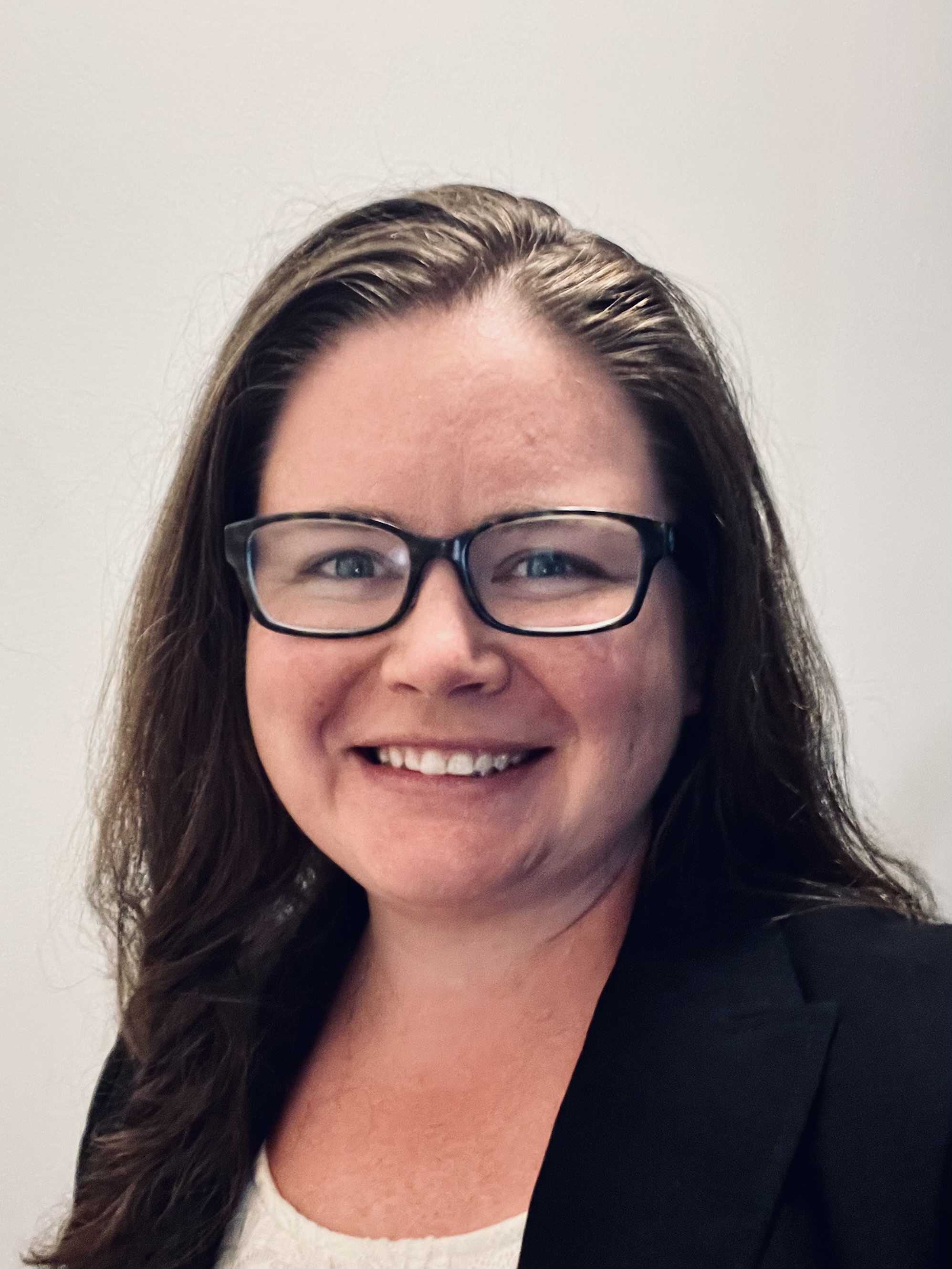
Katherine Coco, P.E., Haley & Aldrich
Katherine is a geotechnical engineer with extensive experience working on environmental remediation projects. Katherine specializes in the design, rehabilitation and evaluation of sensitive slopes of roadway and impounding embankments, leading geotechnical Pre-Design Investigations, and developing site specific parameters for non-traditional subsurface materials (i.e. ash, tailings and waste). She manages design reports, site plans, regulatory permit application packages, technical specifications for construction, and quality assurance and construction reports.
Go/No-Go Drawings for Excavation of Ash Pond – Case Study
An automated “Go/No-Go” figure was developed for use by project stakeholders (geotechnical engineers, contractors and site owners) in support of a large ash pond closure by excavation. The Go/No-Go Drawings enable stakeholders are enabled to make timely, informed decisions about the relative safety of planned activities and which mitigation measures such as dewatering are needed before work can proceed. The Go/No-Go Drawings automatically import piezometric data from the online instrument data server and compare the data to previously established thresholds for risks such as subgrade uplift (heave) and global stability. The subsequent color coding of the chart and map in the Go/No-Go Drawings enable the project stakeholders to quickly digest the risks to worker safety and balance those risks against the demands of the project. Given the success of the Go/No-Go Drawings during excavation at this ash pond, the Go/No-Go Drawings can be applied to other excavation projects within the waste, mining and energy industries.
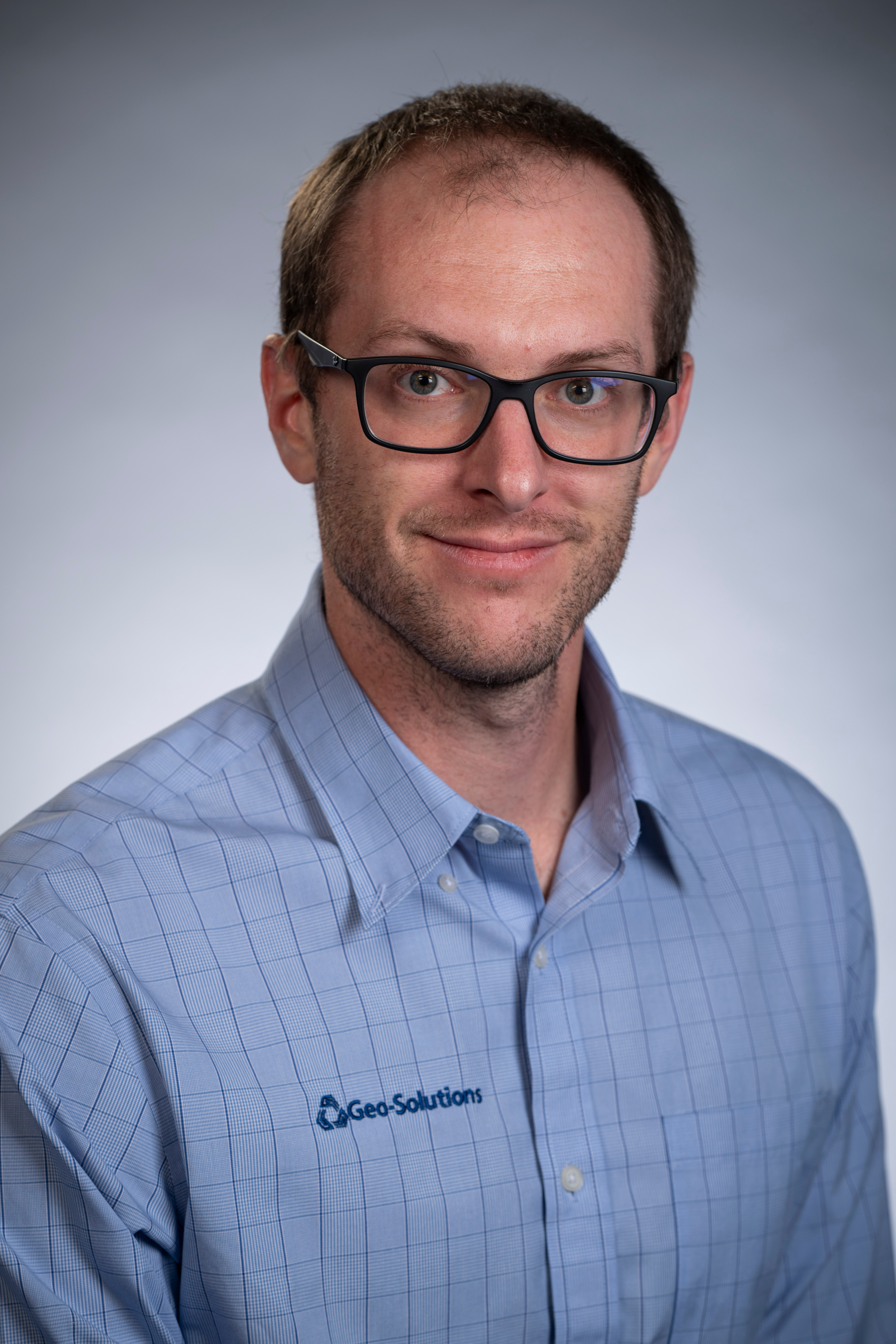
Nathan Coughenour, P.E., Geo-Solutions, Inc.
Nathan Coughenour, P.E. has worked for Geo-Solutions, Inc. for the past 11 years and specializes in geotechnical / geo-environmental construction techniques including slurry walls, soil mixing, and grouting. His project experience includes projects located throughout Canada, the US, and internationally.
Nathan earned a B.S. in Civil Engineering from Bucknell University followed by a Master’s in Engineering Management from Ohio University. He has co-authored several publications and articles on various types of geotechnical techniques including the applications and performance of self-hardening slurries, soil-cement testing, stabilization of coal combustion residuals, slurry cutoff wall longevity, and numerous case studies.
ISS to SOE - The many applications of Soil Mixing
Soil mixing has evolved from a niche ground improvement method into a versatile, performance driven technology capable of addressing a wide spectrum of geotechnical and environmental challenges. Once primarily associated with structural element ground improvement, soil mixing has developed into a robust means of soil treatment applications such as in situ solidification / stabilization (ISS) and in-situ chemical oxidation (ISCO) / in-situ chemical reduction (ISCR) as well as other geotechnical applications such as groundwater control and support of excavation (SOE). This presentation explores the expanding role of soil mixing across various applications and highlights the technical and economic factors to be considered when evaluating options for a site.
The session begins with an overview of environmental applications, primarily ISS, for treatment/containment of contaminated soils. A high-level overview of the benefits of ISS, such as reduced disposal volumes and accelerated closure schedules will be covered along with the practical limitations of ISS. Case examples illustrate successful ISS deployment for various contaminants, soil types, treatment depths, and future site uses.
Geotechnically, soil mixing can also be an effective means of installing cutoff walls, shear walls, load transfer platforms, and column supported embankments. To stick with the theme of this seminar, particular emphasis is placed on the use of soil mix walls as SOE systems, either as standalone elements or in combination with braced excavations. Discussion includes design considerations such as strength variability, internal structural elements, and groundwater control and conclude with case history examples.
Attendees will gain a clearer understanding of soil mixing’s capabilities, limitations, and applications, as well as insights into how soil mixing can be strategically deployed to reduce risk, control cost, and enhance project outcomes across diverse ground conditions.
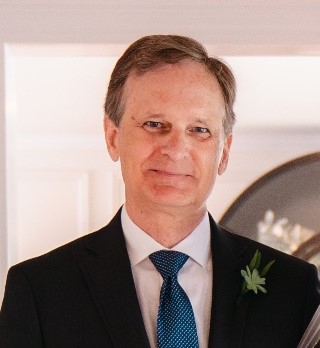
Don DeGroot, Sc.D., P.E., University of Massachusetts at Amherst
Dr. Don J. DeGroot is a geotechnical engineer and professor at the University of Massachusetts Amherst. He received his Sc.D. from the Massachusetts Institute of Technology in 1989. His teaching, research, and consultancy experience is primarily in the area of soil behavior, with an emphasis on field and laboratory measurements for geotechnical engineering site characterization programs. He has been a Principal/Co-Principal Investigator on geotechnical engineering research projects including research on drilling and soil sampling, in situ testing, laboratory measurement of soil behavior, and selection of soil design parameters for ground model and design basis development. Findings from this research and consultancy work have been published in many of the major geotechnical engineering journals. National and international conference activities include invited Keynote, State-of-the-Art, and State-of-the-Practice papers and presentations on soil behavior and site characterization. He has served on the editorial boards of the Journal of Geotechnical and Geoenvironmental Engineering and the Geotechnical Testing Journal, served as Chair of the ASCE Geo-Institute Soil Properties and Modeling Committee and is currently Chair of the Laboratory Testing Subcommittee for the ISO Marine Soils Investigations Standard 19901-8.
In Situ and Laboratory Hydraulic Conductivity Measurements of Glacial Deposits for Hydrogeological Modeling
The hydraulic conductivity of saturated soils varies more than any other soil parameter, with a range of possible values being approximately 10-13 m/s for high plasticity clays to 1 m/s for clean, uniformly graded, coarse gravel. As a result, numerous direct and indirect field and laboratory measurement methods have been developed that cater to the soil type being tested, the anticipated hydraulic conductivity, and the design application being considered. Examples include large scale pumping tests, slug tests, in situ dissipation tests, and laboratory methods using intact and reconstituted samples. This presentation describes some of these field and laboratory measurement options and presents results obtained for several projects for which hydrological groundwater model development was the primary project outcome. The soils encountered at the project sites were primarily glacial deposits and ranged from dense glacial till to soft varved clays. In addition to the anticipated magnitude of the hydraulic conductivity being measured, other major factors considered in selecting a measurement method and interpreting data included anisotropy and scale effects.
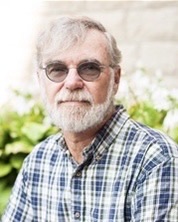
Jeffrey C. Evans, Ph.D., P.E., BC.GE, F. ASCE, Parsons and Bucknell University
Dr. Evans is a Principal Geotechnical Engineer at Parsons and Professor Emeritus of Civil and Environmental Engineering at Bucknell University, Lewisburg, PA. He earned BSCE, MSCE and Ph.D. degrees in Civil Engineering from Clarkson University, Purdue University, and Lehigh University, respectively. He joined Bucknell University in 1985 where honors included the Class of ’56 Lectureship (1997) for inspirational teaching, and Presidential Professor (2001) for contributions to the University. In 2012 he was named Overseas Fellow at Cambridge University (Churchill College). He has been a visiting academic at Cambridge University (2012-13) and the University of Nottingham (1998-99) and a Senior Scientific Officer (1991-92) at the Warren Spring Laboratory, all in the UK. Before joining Bucknell, he spent over 10 years as a consultant with Woodward-Clyde Consultants (now AECOM) where he was named “Young Professional of the Year” in 1984. His experience also includes the U.S. Army Corps of Engineers Reserves where he served as a 2nd Lieutenant, 1st Lieutenant, and Captain. He has also authored and co-authored over 100 publications in the areas of geotechnical, ground improvement and geoenvironmental engineering. He has also co-authored three books (Hazardous Waste Management, Fundamentals of Ground Improvement, and Slurry Trenching: History, Uses, Fundamentals and Construction) along with Chapters in eight other books.
Fifty Years of Slurry Walls for Construction of Vertical Barriers
Slurry trench cutoff walls for the construction of low-permeability vertical barriers have been in use for over 50 years in the US. They came into common usage in the late 1970s and early 1980s for groundwater control at excavation sites and for control of contaminant migration at contaminated sites. Yet, at the time, little research had been conducted to identify key aspects of their short- and long-term behavior. Our understanding of both soil-bentonite (SB) and cement-bentonite (CB) slurry walls has advanced significantly since they first came into common usage as groundwater barriers for dewatering and barriers for control of contaminant migration. Developments such as the addition of portland cement to SB mixtures and granulated ground blast furnace slag into CB mixtures are now common. Developments in our understanding of SB includes the state of stress within the wall, consolidation and time-dependent behavior, hydraulic conductivity, and the influence of stress on hydraulic conductivity, the durability of SB under wet/dry cycles, diffusion through SB, compatibility with contaminants in the environment, and osmotic behavior. Developments in SB also include the addition of portland cement to SB mixtures. At the same time, CB came into widespread usage in the UK and Europe with the addition of granulated ground blast furnace slag into mixtures pf bentonite slurry and portland cement. These CB mixtures are now common in the US and there is a better understanding of the role of the bentonite, the volume change characteristics and compatibility. The review of the developments in our understanding is coupled with an assessment of the practical implications of the research and experience.
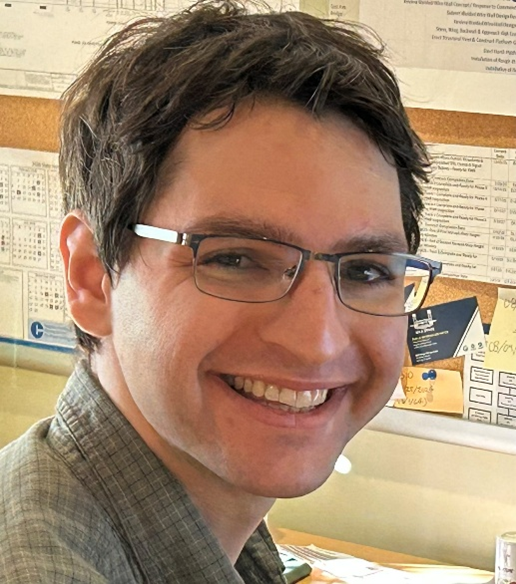
Richard Leso, P.E., CTDOT
Richard Leso, P.E., is a Project Engineer with CTDOT’s District 5 Construction unit and brings over eight years of experience in transportation and heavy civil construction. He holds a B.S. in Civil Engineering from the University of Massachusetts Amherst and began his career with MassDOT before joining CTDOT, where he has worked on a range of highway, bridge, facility, and rail projects. Richard currently oversees construction for the WALK Bridge Program’s TIME‑2 component, a key part of one of the region’s most technically challenging rail bridge replacement efforts.
Walk Bridge: What Owners Want from Geotechnical Engineers Preparing for and Executing Construction Projects
Michael Mendick, P. E., CCM, CTDOT District Engineer (District 5), and Richard Leso, P.E., CTDOT Project Engineer (District 5), will address what owners want from geotechnical engineers on projects, especially the transition from initial investigations for design to field conditions, including action and contingency planning. They will comment on what information geotechnical engineers should provide during design and what they want to see from geotechnical engineers as projects progress. They will address issues encountered at the Walk Bridge Program and refer to other projects in their experience.
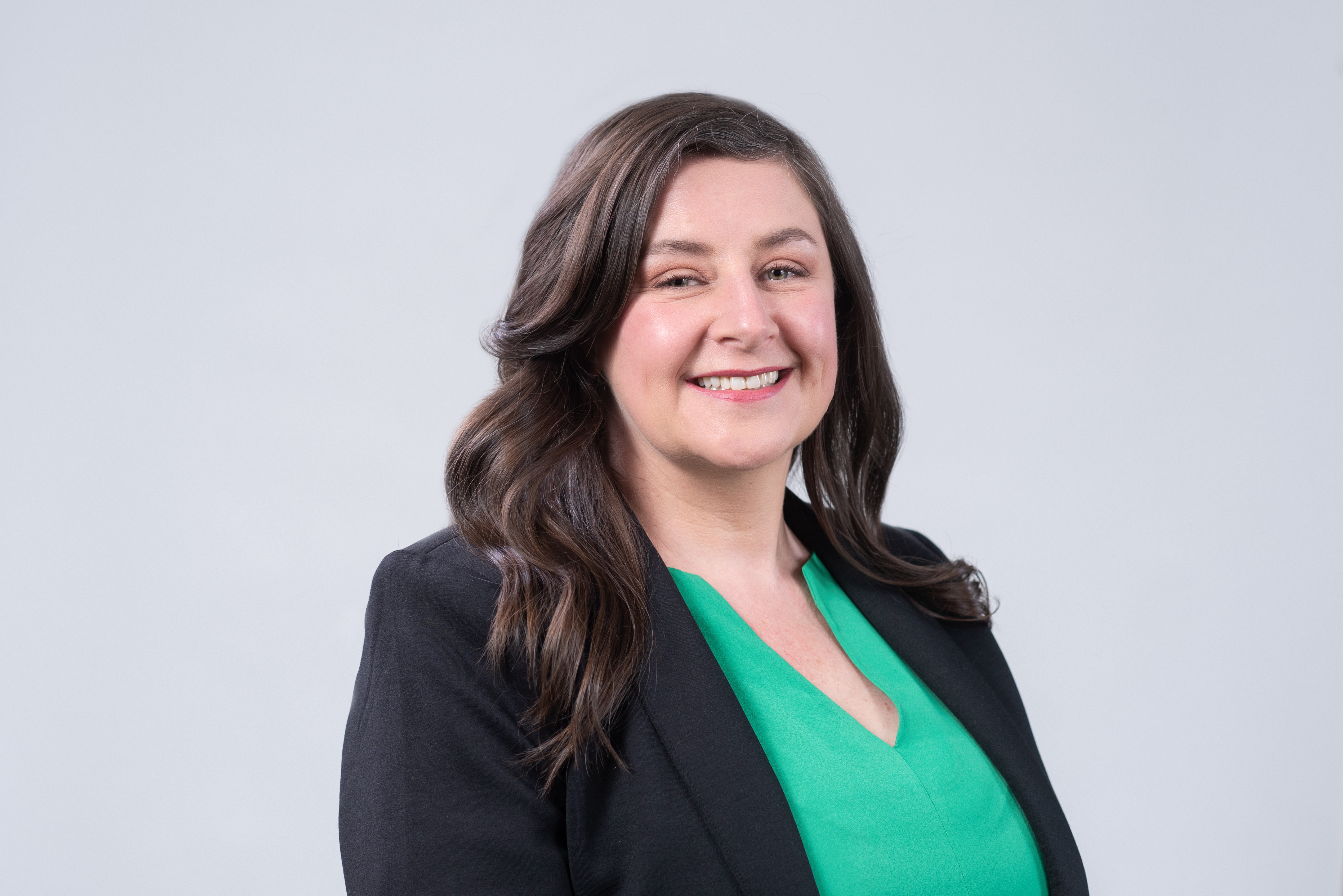
Lori McCarthy, LSP, OTO
Lori McCarthy is a Massachusetts Licensed Site Professional (LSP) with over 20 years experience in Environmental Consulting. After earning her B.S. in Biochemistry and Molecular Biology at the University of Massachusetts and becoming very interested in the impact of environmental releases, Lori then went on to immediately earn her B.S. in Environmental Science. Lori’s experience with environmental releases has also given her the passion for revitalizing affected neighborhoods to bring much needed housing, education, and jobs to our Environmental Justice communities. As Senior Project Manager and Environmental Team Leader, Lori provides her team and clients thoughtful guidance and support.
Urban Fill Reuse: Economic Advantages and Ethical Responsibility
Michael Mendick, P.E., CCM, CTDOT
Michael Mendick, P.E., CCM, is the District Engineer for the Connecticut Department of Transportation's District 5 Construction office, overseeing the construction of capital construction projects for public transportation and major facilities. In this role, he leads the Department's construction project management efforts overseeing a team of both in-house and outside consultant engineers tasked to deliver projects both on time and under budget, including the WALK Bridge Program, and the New Haven Rail Yard Facilities Improvement Program, serving the country's busiest commuter rail line, Metro-North's New Haven Line.
Previously, as the Assistant District Engineer for District 1A, in addition to the New Haven Rail Yard Program, he managed construction of the Berlin, Wallingford, and Meriden stations for the Department’s new regional passenger rail service as well as newly opened Watertown Bus Maintenance Facility.
Before joining District 1A, he worked as a Supervising Engineer in the District 4 office on the construction of Connecticut's first Bus Rapid Transit (BRT) system, CTfastrak. This $567MM, 9.4 mile project has had a transformative effect on the Central Connecticut region, spurring economic development along the guideway.
He earned a B.S. in Civil Engineering from Carnegie Mellon University and has been a licensed Professional Engineer in the State of Connecticut since 2000 and a Certified Construction Manager since 2015 and is currently Chair-Elect for Construction Management Association of America's National Board of Directors.
Walk Bridge: What Owners Want from Geotechnical Engineers Preparing for and Executing Construction Projects
Michael Mendick, P. E., CCM, CTDOT District Engineer (District 5), and Richard Leso, P.E., CTDOT Project Engineer (District 5), will address what owners want from geotechnical engineers on projects, especially the transition from initial investigations for design to field conditions, including action and contingency planning. They will comment on what information geotechnical engineers should provide during design and what they want to see from geotechnical engineers as projects progress. They will address issues encountered at the Walk Bridge Program and refer to other projects in their experience.
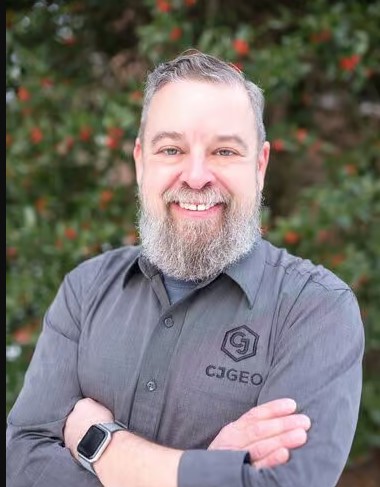
Rick Smith, PG, CJ Geo Contractors
Rick Smith, P.G. is a Territory Sales Engineer for CJGeo, a specialty grouting and lightweight fill contractor headquartered in Richmond, Virginia. At CJGeo, Rick focuses on mass lightweight fill projects to reduce axial and lateral loads, and grouting for settlement correction. Prior to CJGeo, Rick’s experience includes geotechnical consulting and design, along with technical representation of geo synthetics and lightweight fill materials.
While not helping design and implement settlement avoidance and correction projects, Rick is a champion for native plants, and keeping his running chainsaw of a dog from biting the Amazon delivery people (again).
Value Engineering using LDCC and Modular Block Walls
Crowder Construction submitted a successful Value Engineering (VE) proposal to VDOT for the Route 58 SPSA Interchange project in Suffolk, VA. The VE solution replaced soil, EPS blocks, and tilt-up panel walls with an integrated system featuring Low-Density Cellular Concrete (LDCC) and the Gravix prefabricated modular retaining wall system. This combined approach delivered substantial geotechnical and constructability advantages
LDCC, placed as a self-leveling, self-consolidating fill, ensured complete contact in irregular spaces—a key advantage over rigid EPS blocks, especially at bridge abutments. As a non-combustible, cementitious material, LDCC provides superior long-term resistance to fire and chemical spills. Utilizing LDCC eliminated the need for a protective membrane, a load distribution slab, and several staged settlement waiting periods, simultaneously accelerating fill installation and reducing labor.
Additionally, the Gravix precast, modular, gravity retaining-wall system significantly contributed to the reduced construction schedule. The system’s modularity allowed the units to be stacked without backfill, making wall construction and LDCC installation independent operations. Gravix units also allowed for up to 4-foot lifts of cellular concrete at a time. The LDCC and Gravix combination enabled staged construction with a surcharge mass, consolidating the project to a single settlement waiting period. After settlement, a middle layer of units was cast with variable heights to accommodate settlement and maintain the final design road grade.
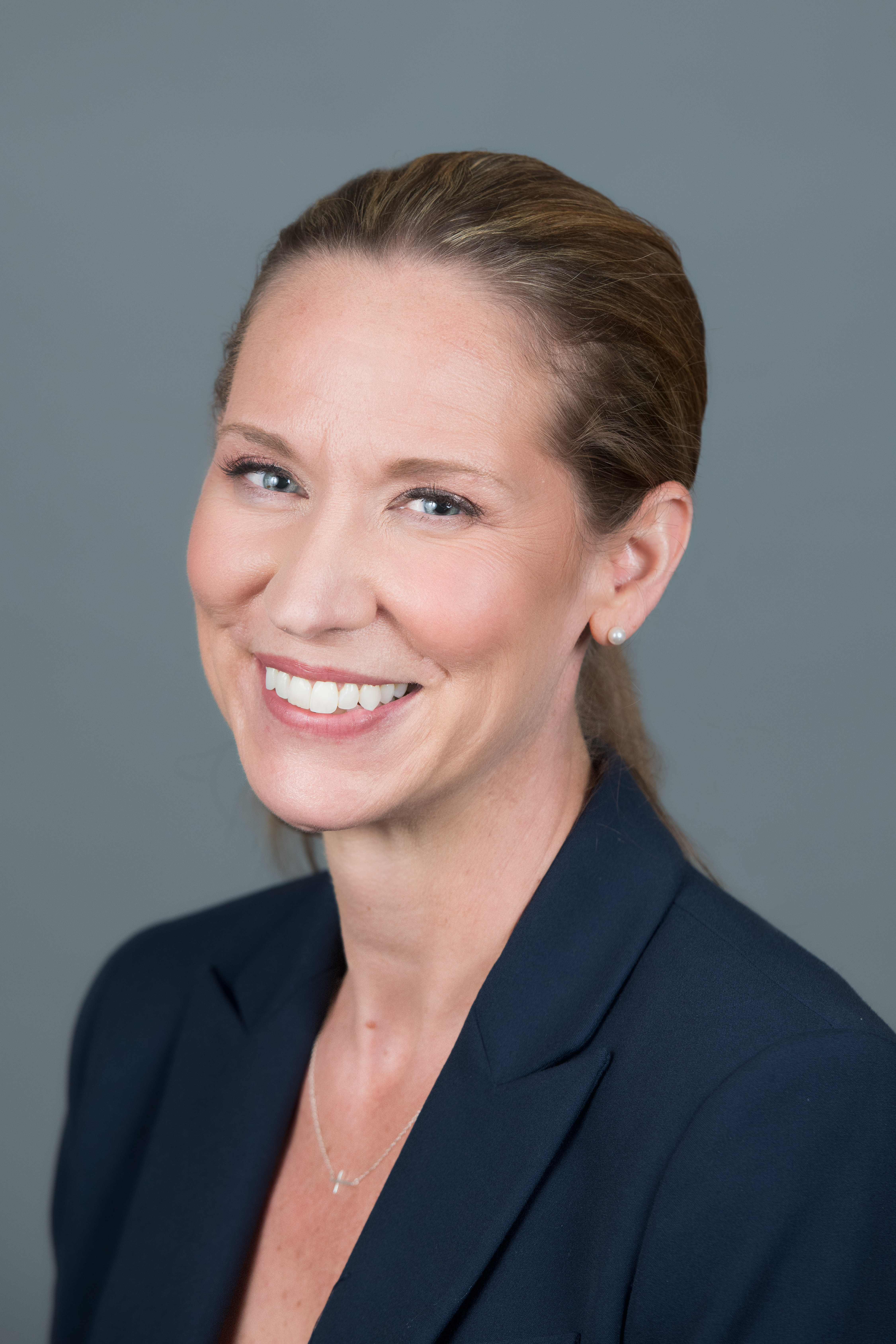
Ashley Sullivan, P.E., OTO
Ashley has 20 years of experience providing Geotechnical and Environmental Consulting and is President of our organization. Having earned a B.S. in Civil Engineering and M.S. in Environmental Engineering from the University of Massachusetts in 1998 and 2001, respectively, she is a Professional Engineer licensed in Massachusetts, Connecticut, Rhode Island and New Hampshire.
Her background includes conducting contaminated soil and groundwater assessments as well as environmental and geotechnical engineering design and construction monitoring. She specializes in the design of foundation and earth support systems, evaluation of slope stability, building settlement, pavement failures, and dam assessments.
Apart from her extensive technical knowledge base Ashley inspires and leads the OTO organization with genuine intent by supporting and cultivating diversity and equality, and by virtue of her passion to help others succeed.
Urban Fill Reuse: Economic Advantages and Ethical Responsibility
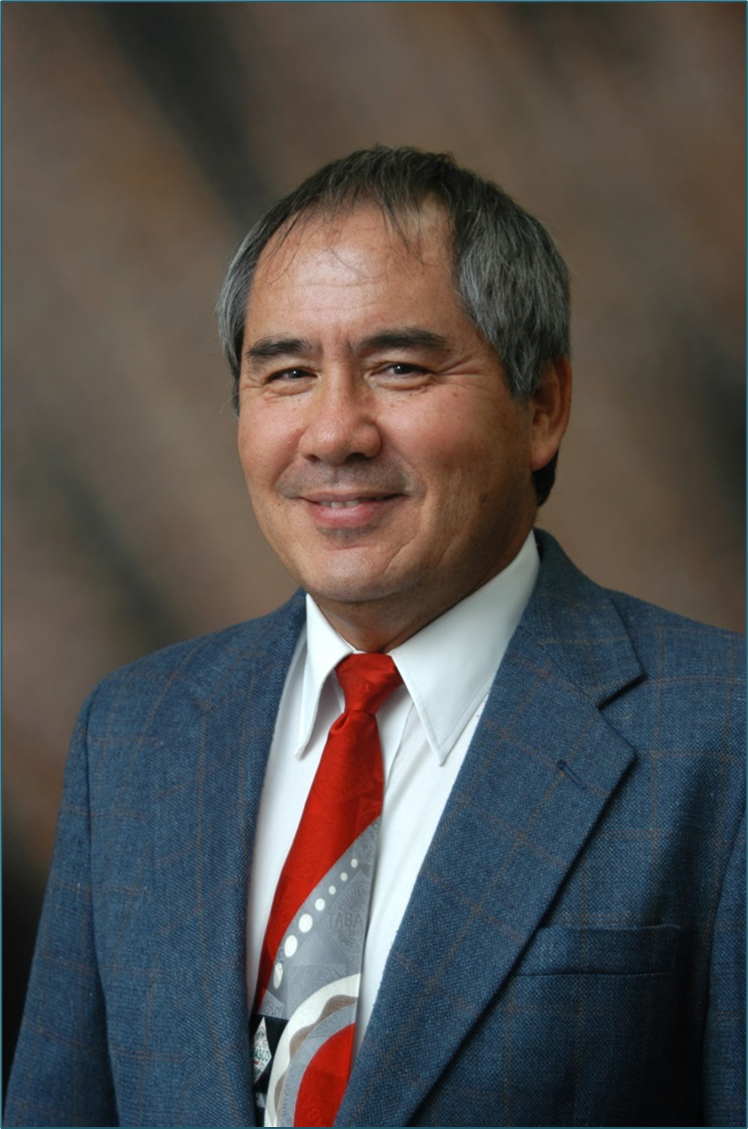
David T. Williams, Ph.D., P.E., BC.WRE, F.ASCE, F.EWRI, CFM, CPESC, PH, David T. Williams and Associates, LLC
Dr. David Williams has over 50 years of experience in the field of water resources engineering, in particular, hydrologic and hydraulic modeling.
Workplace Strategies for Ethical Challenges
Every day, professionals face decisions that have ethical implications. And while the safety of the organization and the public is every professional’s primary concern, time, personal, and resource pressures can often challenge these commitments. Taking a proactive approach to workplace ethics is the best course to mitigate these risks, avoid legal implications, and build a working atmosphere of integrity, trust, and purpose. In this presentation, we will discuss how to develop a strong and sustainable set of workplace ethics and guidelines designed to mitigate ethics creep, avoid legal implications, and build a solid, ethical foundation for a healthy workplace culture. We will explore common ethical topics and challenges and will detail the best practices when faced with ethically challenging situations.
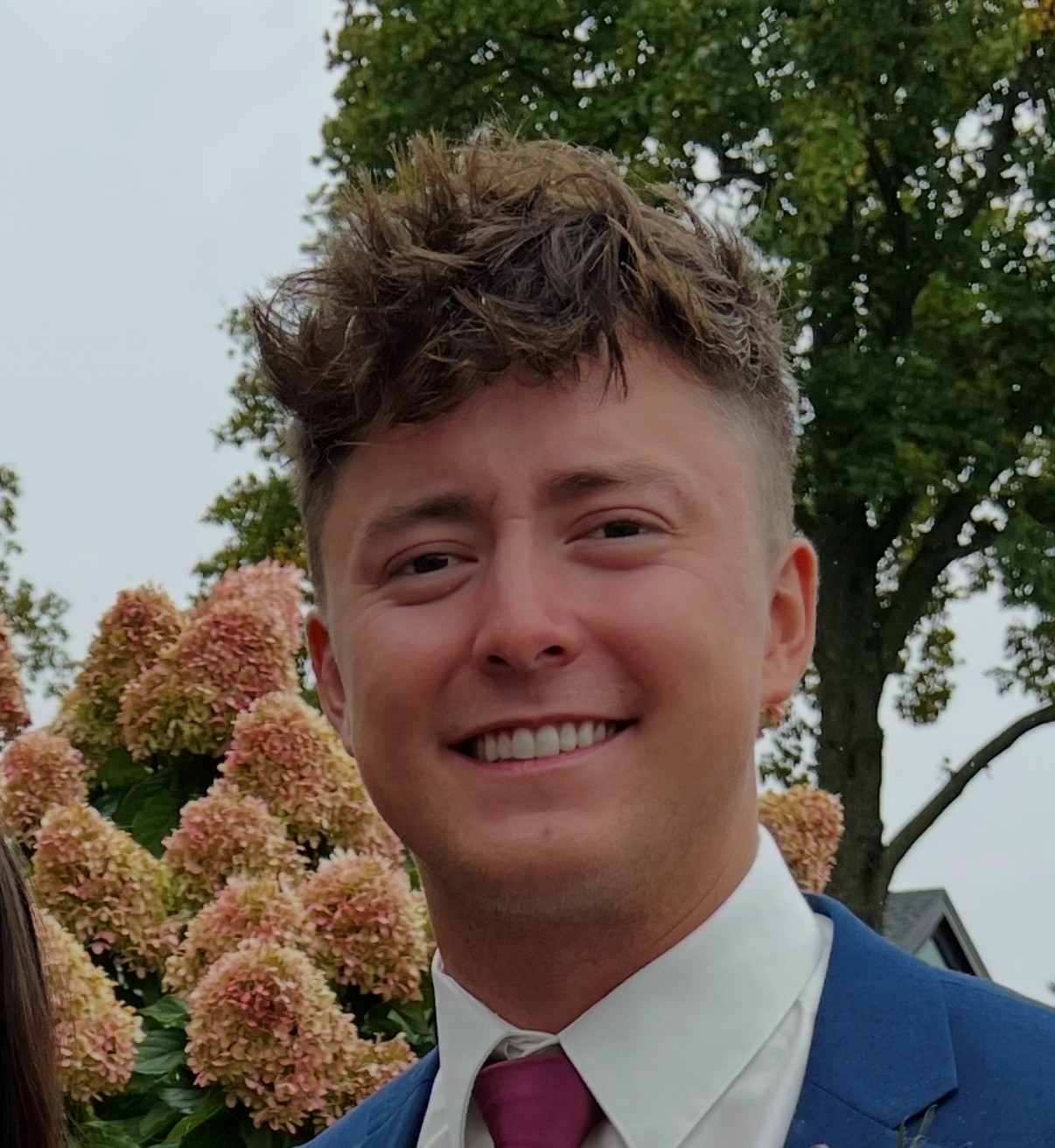
Dane Woo, Project Manager, Geo-Solutions
Dane serves as a Project Manager for Geo-Solutions, Inc. (GSI) working out of the Pittsburgh, Pennsylvania regional office. He graduated from the University of Pittsburgh with a bachelor’s degree in civil engineering and has been with Geo-Solutions for 8 years. Dane’s expertise includes slurry cut-off walls, jet grouting, biopolymer trenching, in-situ stabilization efforts, and deep soil mixing projects. His roles at Geo-Solutions include project management, estimating, proposal preparation, on-site supervision, survey & design, specification and drawing compliance, subcontractor management, and client liaison duties.
Some of the key projects Dane has managed include:
- CEPP New Water Seepage Barrier L357/L31 for USACE/SFWMD – Miami, FL
- 8.5 miles long, 60+ feet deep, cement-bentonite cutoff wall
- Remediation of the Tower Chemical Company for USACE – Clermont, FL
- 90,000 CY of In-situ Stabilization remediation, 70 feet deep
- Oil Sands Mines in Northern Alberta
- 5,000 LF of soil-bentonite cutoff wall, 110 feet deep
Subsurface Vertical Barriers in Environmental Remediation: Containment, Control, and In-Situ Treatment
Subsurface vertical barriers play a critical role in modern environmental remediation by providing effective containment and control of contaminant migration in soil and groundwater systems. Barrier walls encompass both low-permeability cutoff walls designed for containment and high-permeability structures intended to intercept, collect, or treat contaminated groundwater, thereby reducing the spread of hazardous substances. As environmental regulations evolve, new threats to environmental and human health are discovered, and remediation sites grow more complex, the use of subsurface vertical barriers and complex systems utilizing such barriers has expanded across a wide range of contaminated settings, including landfills, tailings facilities, brownfields, and legacy waste sites.
Low-permeability vertical barriers, also known as cutoff walls, function primarily by reducing hydraulic conductivity relative to surrounding soils limiting advective transport and plume expansion of contaminants. Cutoff walls are frequently used to isolate source areas, protect downgradient receptors, and enable controlled groundwater extraction or in situ treatment within a defined hydraulic boundary. Examples of cutoff walls include soil-bentonite and cement-bentonite slurry walls, sheet piles, geomembranes, and soil-mixed walls.
In contrast, high-permeability vertical barriers, including collection trenches and permeable reactive barriers (PRBs), are designed to preferentially convey groundwater rather than block it. Collection trenches act as engineered drains that intercept contaminated groundwater, allowing for controlled capture and above-ground treatment or disposal. These systems are particularly useful where complete containment is impractical or where active plume management is required. PRBs represent a treatment-focused approach, combining hydraulic control with in-situ remediation. Constructed with reactive media such as zero-valent iron, activated carbon, or organic substrates, PRBs allow groundwater to pass through while contaminants are immobilized, degraded, or transformed via chemical or biological processes.
Recent advancements in environmental barriers in Canada include new installation methods, such as PRB installation with geo-trenchers and mixed-barrier approaches such funnel-and-gate systems.
This presentation will examine the modern, evolving role of subsurface vertical barriers in the remediation industry, including fundamental principles, design considerations, practical applications, and an overview of the most recent breakthroughs in field implementations. Case studies will be presented illustrating the design, construction, and performance of cutoff walls, collection trenches, and permeable reactive barriers, highlighting lessons learned and best practices for effective environmental remediation.
TPC River Highlands, 1 Golf Club Road, Cromwell, CT 06416
Discounted Rooms have been reserved on Thursday at the Sheraton Hartford South, 100 Capital Boulevard, Rocky Hill, CT 06067, for this seminar. Click here for the room registration link.
ASCE Member Registration - Early Registration for $225 ($250 after April 3, 2026)
Non ASCE Member Registration - Early Registration for $250 ($275 after April 3, 2026)
Government Employees and Retired People (Includes NYS PDHs) - Early Registration for $100 ($125 after April 3, 2026)
Student Registration (ID Required at Registration - No NYS PDHs) - $25.00
Exhibitor Table - $600 Exhibit Table Layout
Each exhibit table includes 2 exhibitors. Once an exhibit table is purchased, additional exhibitors may register separately for $150 each. No NYS PDH’s are included with exhibitor table or additional exhibitor registrations.

Table Sponsor (1 available SOLD OUT) - $750
This sponsorship level includes an invitation to the reception dinner the night before, your company logo on table placards, podium mentions, and 1 attendee registration.
Putting Contest Sponsor (1 available SOLD OUT) - $500
This sponsorship level includes an invitation to the reception dinner the night before and promotion of your company at the putting contest.
Student Sponsor (2 available, SOLD OUT) - $500
This sponsorship level includes an invitation to the reception dinner the night before, your company logo in the program with acknowledgment and podium mentions.
Program Sponsor (2 available, SOLD OUT) - $350
This sponsorship includes an invitation to the reception dinner the night before, prominent placement of your company logo in the printed program for the seminar.